
The 2027 Polaris RZR Pro R Boost Bent Our Brains
America, we’re currently in a golden age of sport side-by-sides. Hot on the heels of Kawasaki’s release of the 2027 2-seater Teryx H2, Polaris returned fire with the RZR Pro R Boost. The tea leaves were right. Did anybody think this wasn’t happening?
The 2027 model year marks year four of the Great Side-by-Side Horsepower Wars. This year’s winner? You, the consumer. That’s a real war, look it up.
In case you somehow missed it: The 2027 Polaris RZR Pro R Boost makes 275 horsepower, via 2.0 liter inline-4 engine with a new 60mm Garrett turbocharger. We’ve read all the bullets about active sway bars and better cooling for the belt, transmission and engine. We know what the 2027 Polaris RZR Pro R Boost is. Let’s skip the specs and hit the dirt.
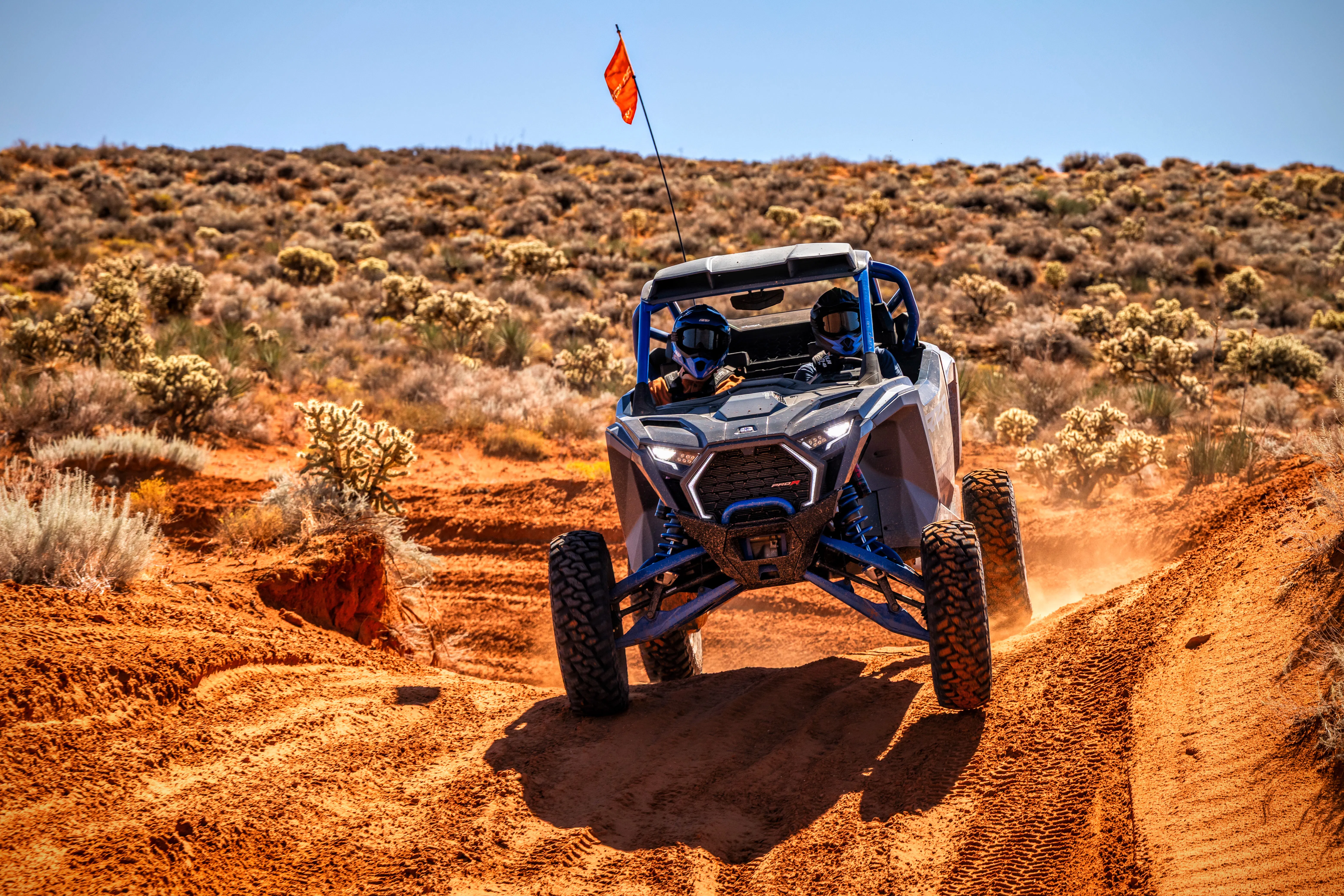
Polaris’ charm offensive began with flying us out to Sand Hollow, Utah to experience a fleet of 2- and 4-door RZR Pro R Boost Ultimates. Having already blanketed the internet with hype and test rides for influencers, it was a final, polished reveal for all the automotive writers, lifestyle hacks, and powersports losers like us. Polaris meant business. They made sure we got plenty of seat time, either strapped into the rig or eating catered steaks next to a real canyon.
We got two long riding sessions, plus an optional “rough ride” with pro racers Brock Heger and Cayden MacCachren. The morning ride took us to Sand Mountain via Milt’s Mile to the West Rim Lite trail, ending with West Rim Boulevard. Passing glacial processions of Jeeps, we were treated to fast sections in the downhill wash. Idea being, we’d stick with 5/10 trail difficulty and skip airing down tires in favor of multiple photo shoots. The ugly truth about offroad journalism? We’re also ugly, unpaid models.
Recent rains meant the sand was fine for stock tires, allowing us to hit rev limiter and unlock most of the 275 ponies. The 24 to 26-inch rock steps of Milt’s Mile were a fine intro for newbs, and showcased the non-existent turbo lag nicely. Or maybe it was the bigger input/output shafts? Either way, the Pro R Boost had grunt for days, hitting torque and power numbers well below the Pro R’s RPM range. This meant less noise, meaning we could hear people shouting that someone flipped their rig. Handy.
A wrong turn earned us a near-vertical drop into an arroyo. Lesson learned. Front wheels are your bumper. Keep them turning and you’re golden. The afternoon session took us to the East Rim, with fast dirt trails framed by berms as tall as our rigs. 2-seaters shined here, with dirt banks compressing shocks and foot-deep ruts keeping things on track.
But it was the sand whoops along the East Trail that left our jaws hanging. We didn’t get to try out the new DVS active sway bar links on the Boost Ultra, and the Fox Live Valve X2 shocks aren’t anything new. But this year’s Dynamix DV tuning is. It’s probably the best-tuned suspension on the market in the Year of Our Lord 2026. Time and time again we braced for impact, only to discover we were still hurtling along. Nothing rattles the Pro R Boost, unless it’s Brock or Cayden giving pony rides.
Speaking of which, the “rough rides” from the pros were instructive. We learned we weren’t going fast at all, and brushes with death make you laugh uncontrollably. How come we can’t go that fast? Not like any of us were on the hook to change tires and swap out control arms. Lessons for next time.
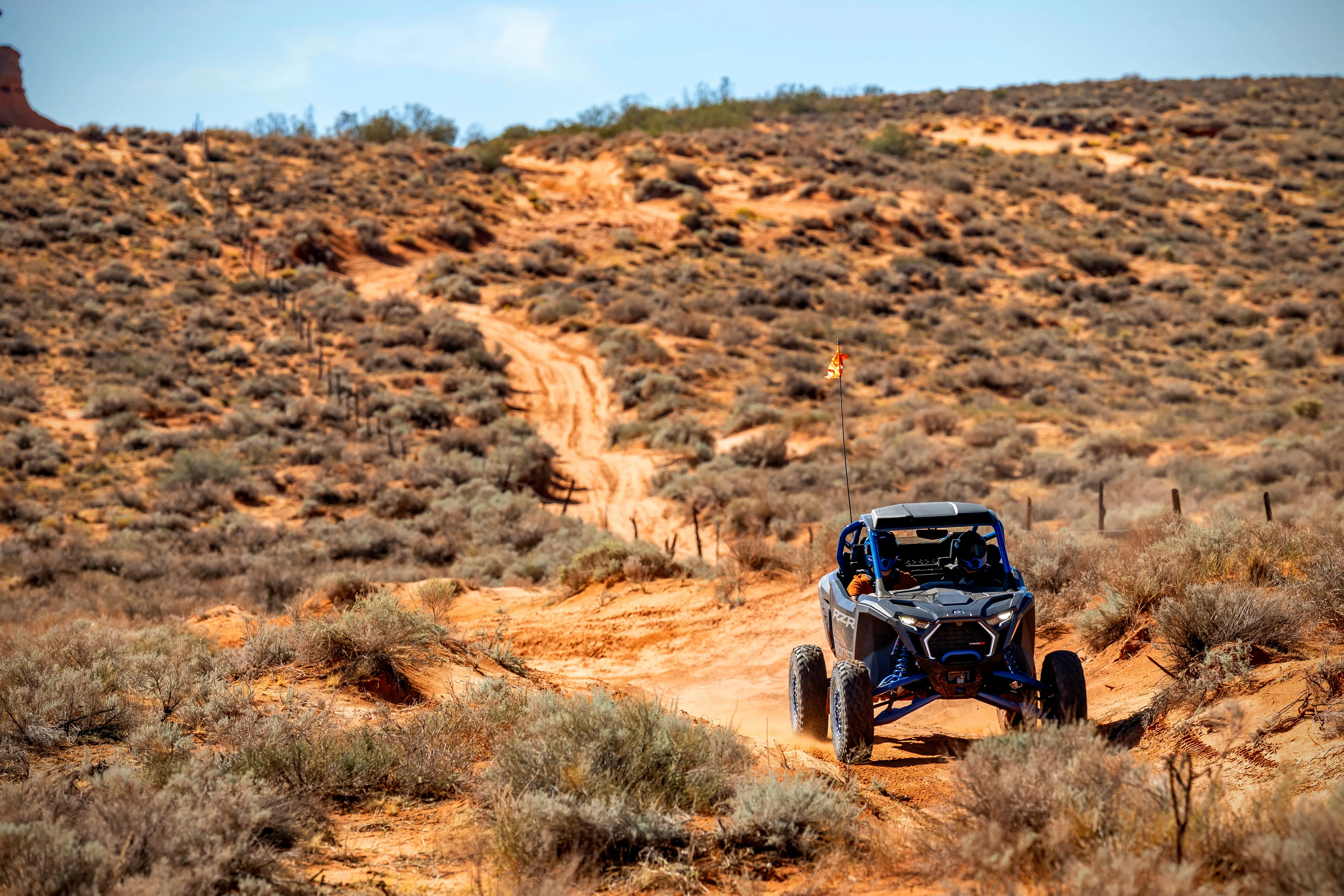
Polaris managed a neat trick. None of the new tech and upgrades are mind-blowing. But the experience of the Pro R Boost at full send is. Each individual improvement gets a nice golf clap. But taken together, they make the best sport rig currently for sale in America. In isolation, 275 horsepower is just a marketing tactic. But 275 horsepower stuffed into an amazing chassis with unreal suspension and robust cooling shows we’re living in special times. The RZR Pro R Boost will either render you speechless or make you involuntarily cuss.
The interior was an afterthought. You can’t appreciate any of it at 70 mph, except for the cooled seats. They pair nicely with fear-sweat pooling down your back. As expected, the Pro R Boost gets the giant vertical 10.4-inch TFT, with the Ride Command. Better venting and heat to legs and feet are nice. There’s a Rockford Fosgate audio system, too. It probably sounds great when you’re not driving fast.
At $49,999 MSRP for the 2-seater Ultimate, it’s not cheap. But inexpensive and value are two different things. This category of side-by-sides finally features tech and thinking that only used to come on upscale trucks and competition rigs. The three-figure number is just the cherry on top. The real treat is the whole sundae. Dig in, America.

